
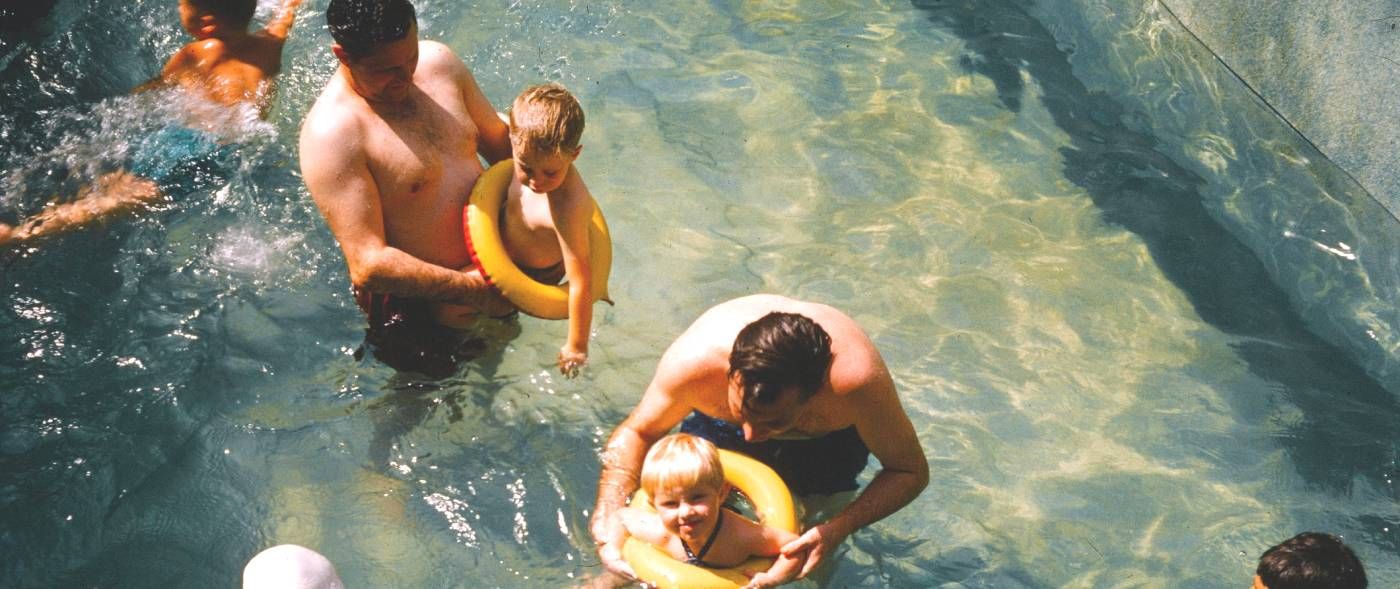
For many families settled in the Lee, NH area, signing kids up for youth swim lessons is a milestone that brings immediate peace of mind. It feels excellent to watch your children build confidence, learn to kick, and discover how to navigate the shallow end safely. Once they achieve those initial landmarks, caregivers frequently assume that the primary vulnerabilities concerning water are managed.
A complete strategy for family safety requires a broader foundation.
Living in Lee means being surrounded by beautiful, varied, and often deceptive aquatic environments. From family afternoons on the Lamprey River and packing up kayaks for Wheelwright Pond, to weekend trips out toward the Great Bay or community pool gatherings, water is central to our local lifestyle. Because these environments are right on our doorstep, youth swimming proficiency is just one element of a secure household. When a water crisis unfolds, a parent or adult caregiver is virtually always the immediate person on the scene. An adult's personal swimming capability, cardiovascular endurance, and water competence are often the critical factors in a rescue scenario.
Water safety is not a singular achievement for children. It is a protective, multi-generational skill for the entire household.
Assessing the Adult Water Competency Deficit
Many adults evaluate their own swimming skills based on casual experiences, such as floating lazily on a lake tube, wading near a pool deck, or swimming short distances in completely calm conditions. However, national emergency data continually points to a sharp contrast between general water comfort and actual survival capability.
Research from the American Red Cross indicates that while nearly 80% of adults across the United States claim they are able to swim, only 56% can actually execute the five baseline water competency skills required to survive an unexpected aquatic emergency:
Stepping or jumping into water that is completely over your head and returning safely to the surface.
Treading water or floating continuously for at least one full minute.
Turning around in a full circle while submerged to identify an exit route.
Swimming 25 yards without stopping to reach safety or a shoreline.
Exiting the water completely without relying on steps, ladders, or structural assistance.
If a loved one slipped into deep water or a moving current during a local outing, would you feel fully capable of jumping in, controlling their panicking weight, and successfully swimming both of you to safety? This is not about generating fear, it is about developing genuine, practical readiness.
Why Seacoast Watersheds Require Adult Aquatic Literacy
The geographic layout of Strafford County ensures that active families encounter water on a regular basis. Caregivers are routinely responsible for monitoring children across a spectrum of water hazards, ranging from predictable backyard pools to complex, un-lifeguarded natural ecosystems.
Our local New England rivers and ponds feature specific environmental challenges, including low visibility, sudden drop-offs, cold water shock, and strong seasonal currents. The sobering reality of river hazards hit close to home recently when 40-year-old Doreen Allen tragically drowned in the nearby Salmon Falls River. Despite the swift intervention of emergency personnel who initiated CPR at the scene, the natural environment proved fatal.
Open rivers and tidal bays do not replicate the static, climate-controlled conditions of a commercial swimming pool. When an individual encounters trouble in moving water, immediate panic can quickly deplete the oxygen and physical strength of even a highly athletic adult who lacks specific structural swim training.
When an emergency occurs, an adult who possesses true water competency is trained to:
Maintain emotional regulation to prevent a chaotic, compounding panic cycle.
Identify the silent, subtle physical signs of active drowning rather than looking for loud splashing or screaming, which rarely happens.
Formulate and execute a calculated rescue plan without becoming a secondary victim in deep or moving water.
Deliver highly focused visual supervision because they intimately understand the behavior of local currents.
The Subtle Impact of Parental Water Confidence
Children are exceptionally observant and constantly adapt their worldview based on the behaviors of their parents. If a caregiver exhibits hesitation near a pool edge, avoids getting their face wet, or chooses to stay entirely on the shore during a family river trip, kids intuitively register that anxiety. This internalized fear can create an invisible barrier, slowing down a child's progress and confidence during their own youth swim lessons.
Conversely, when a child watches an adult interact with the water in a calm, skilled, and controlled manner, it sets a standard of respect and capability. It highlights proper water boundaries while accelerating the child's personal comfort and technical development.
You do not need to be an elite competitive racer to establish a safe household. You simply need to dismantle personal water phobias, master essential survival strokes, and learn how to manage your own buoyancy in deep water. For parents whose children are already enrolled in classes, elevating your personal physical capability is the next logical step in your family safety plan.
Critical Survival Actions for a Water Crisis
If you face an emergency situation near the water, immediate, logical steps are required to save lives. Memorize these core safety protocols:
Keep Your Panic in Check: Caregivers dictate the emotional climate of a crisis. Staying calm preserves your cognitive ability to execute a logical plan.
Call 911 Without Delay: Instruct a specific bystander to contact emergency services immediately. Never delay alerting local fire and rescue teams while trying to manage a rescue entirely on your own.
Reach or Throw, Do Not Blindly Go: A significant percentage of adult water fatalities happen when a protective parent instinctively dives into deep water without the specific endurance needed to manage a thrashing victim. Always look to extend a long branch or pool skimmer, or throw a flotation device from a secure position first.
Secure CPR Certification: Because drowning is fundamentally an oxygen-deprivation event, immediate bystander CPR is a crucial link in the chain of survival while local paramedics are in transit to your location.
Obtain a Professional Medical Evaluation: If a child experiences a near-drowning event or inhales water, an immediate trip to a medical facility is mandatory. Minor amounts of water trapped in the lungs can lead to delayed, life-threatening respiratory complications hours after leaving the area.
Empowering Lee Adults to Swim Safely
Many adults avoid enrolling in swim instruction due to lingering self-consciousness, the belief that they missed their opportunity during childhood, or the assumption that swim schools are exclusively for kids. In reality, millions of adults across New England reach parenthood without ever having the opportunity to receive formal aquatic training.
Adult swim programs are entirely free of judgment and are never focused on athletic perfection. They are intentionally designed to meet you exactly where your current skills stand. We focus on neutralizing deep-seated water anxieties, mastering breath control, and teaching the precise mechanical survival techniques required to confidently protect your family while enjoying the New Hampshire landscape.
Water confidence is a protective asset that belongs to the entire household.
Take the Next Step in Protecting Your Family
Enroll in Adult Swim Classes with Hudson Valley Swim North Lee by visiting our official enrollment platform at the iClassPro Classes Portal or connect directly with our local team at (603) 403-5199. For more details regarding class structures and community water safety programs, visit our regional website at https://leenh.hvswim.com/.